Cleaning your home can feel like a never-ending chore, especially when you’re juggling a busy schedule. With so many commercial cleaning products available, you might wonder which ones actually work and what harmful chemicals they contain. That’s why I created this post—because it’s time to simplify your cleaning routine and save some cash along the way!
If you’re someone who loves a tidy home and cares about using eco-friendly solutions, this guide is perfect for you. You don’t need to break the bank on expensive cleaners. Instead, I’ve compiled a list of 20 homemade cleaning solutions that are not only budget-friendly but also DIY-friendly. These recipes use simple ingredients you probably already have at home.
Get ready to transform your space! With these homemade cleaning solutions, you’ll enjoy a sparkling clean home without compromising your health or the environment. Plus, they’re easy to make, effective, and you’ll feel good knowing exactly what you’re using around your family.
Key Takeaways
– Budget-Friendly Solutions: Most of these homemade cleaning recipes use common household items, saving you money on commercial cleaners.
– Healthier Home Environment: Many store-bought cleaners contain harsh chemicals, whereas these DIY solutions are eco-friendly and safe for your family.
– Variety of Uses: From an all-purpose cleaner to a toilet bowl cleaner, the list includes a wide range of solutions for every area of your home.
– Easy to Make: Each cleaning recipe is straightforward and requires minimal ingredients, making it perfect for anyone, regardless of experience.
– Sustainable Practices: By opting for homemade cleaning solutions, you contribute to a more sustainable lifestyle and reduce plastic waste from commercial products.
1. All-Purpose Lemon and Vinegar Cleaner

Create a refreshing environment with an all-purpose cleaner that combines the bright notes of lemon juice and the natural cleaning power of vinegar. This duo not only cuts through grime but also leaves a delightful citrus scent behind, making it a joy to use in kitchens and bathrooms. The acidity of vinegar effectively tackles tough stains, while the lemon provides a pleasant aroma, ensuring your home feels inviting and fresh.
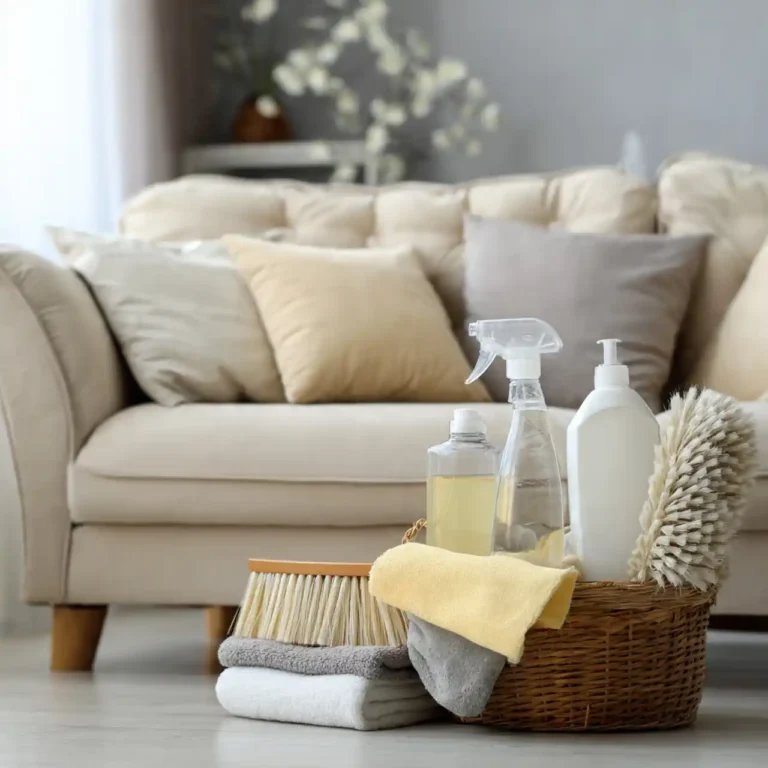
To make this cleaner, simply mix equal parts of lemon juice and vinegar in a spray bottle. Give it a good shake before each use, and spray it onto surfaces. Allow it to sit for a few minutes to maximize its effectiveness before wiping it down with a microfiber cloth. This eco-friendly option adds charm to your cleaning routine while being budget-friendly.
Ingredients:
– 1 cup lemon juice
– 1 cup white vinegar
Instructions:
1. Combine lemon juice and vinegar in a spray bottle.
2. Shake to mix well.
3. Spray on surfaces and wipe clean.
– For stubborn stains, let the mixture sit for 10 minutes before wiping.
– Use on kitchen counters and bathroom sinks for a sparkling finish.
FAQs:
– Is it safe for all surfaces? Yes, but test a small area first.
– How long can I store it? Up to 2 weeks in a cool, dark place.
2. Baking Soda Scrub

Bring back the shine to your surfaces with a baking soda scrub that effectively tackles tough stains and leaves them gleaming. Baking soda is a powerhouse when it comes to cleaning; it’s gentle on surfaces but tough against grime, making it an essential ingredient for your cleaning arsenal, especially in kitchens and bathrooms.
To create this scrub, mix 1 cup of baking soda with a few drops of dish soap and enough water to form a paste. Apply the paste to stained areas, scrub with a sponge, and rinse away. You’ll be surprised at how well this natural solution works, and it’s safe for your family and pets, allowing you to clean with peace of mind.
Ingredients:
– 1 cup baking soda
– A few drops of dish soap
– Water (to thicken)
Instructions:
1. In a bowl, mix baking soda and dish soap.
2. Add water gradually until it forms a paste.
3. Apply on the surface and scrub gently.
– Ideal for scrubbing sinks, bathtubs, and stovetops.
– For added fragrance, consider adding a drop of essential oil.
FAQs:
– Can I use it on stainless steel? Yes, but avoid using too much pressure.
3. Essential Oil Disinfectant

Infuse your cleaning routine with the soothing scents of essential oils while keeping your home disinfected. This essential oil disinfectant combines the powerful cleaning properties of rubbing alcohol with aromatic oils like tea tree or lavender, creating a cleaner that not only sanitizes but also leaves a delightful fragrance behind.
To prepare it, mix 1 cup of rubbing alcohol with 10-15 drops of your favorite essential oil in a spray bottle. Shake well and use it to spray door handles, light switches, and countertops. Not only will your surfaces be spotless, but your home will also smell wonderfully fresh.
Ingredients:
– 1 cup rubbing alcohol
– 10-15 drops essential oil (like tea tree or lavender)
Instructions:
1. Combine rubbing alcohol and essential oil in a spray bottle.
2. Shake well to blend.
3. Spray on surfaces and wipe with a clean cloth.
– Use a darker spray bottle to protect the essential oils from light.
– Experiment with different essential oils for various scents.
FAQs:
– Is it safe for food prep areas? Yes, just rinse afterward.
📹 Related Video: DIY Essential Oils Disinfectant Sprays | DIY Home Cleaners 100% all natural
How To Choose Homemade Cleaning Solutions
When it comes to cleaning your home, choosing the right homemade cleaning solutions can make a big difference. You want to ensure they are effective, safe, and environmentally friendly. Here are some key points to consider when selecting your DIY cleaning products:
1. Purpose of Cleaning
First, identify what you need to clean. Different areas of your home, like kitchens, bathrooms, or living rooms, may require specific cleaning solutions. For example, a strong disinfectant might be best for the bathroom, while an all-purpose cleaner is ideal for kitchen countertops. Knowing your cleaning needs will help you select the most effective solution.
2. Ingredients
Check the ingredients in your homemade cleaning solutions. Common eco-friendly ingredients include vinegar, baking soda, and essential oils. Each component has unique properties; for instance, vinegar cuts through grease, while baking soda acts as a gentle abrasive. Always ensure that the ingredients are non-toxic to keep your home safe for kids and pets.
3. Allergies and Sensitivities
Consider anyone in your home who might have allergies or sensitivities. Some essential oils can trigger reactions. If you’re unsure, opt for fragrance-free solutions or test a small area first. Using hypoallergenic ingredients can help create a safe cleaning environment for everyone.
4. Cleaning Effectiveness
Research the effectiveness of your chosen homemade cleaning solutions. Some combinations work better than others. For example, vinegar and baking soda together can tackle tough stains or odors. You may want to experiment with small batches to find the right mix that meets your cleaning challenges.
5. Storage and Shelf Life
Think about how you will store your cleaning solutions. Make sure they are kept in appropriately labeled, sealed containers to avoid spills and contamination. Also, consider the shelf life; some mixtures may lose their potency over time. Regularly check and refresh your solutions to ensure they remain effective.
6. Budget
Lastly, consider your budget. Homemade cleaning solutions are generally cost-effective, but you want to make sure you are not overspending on ingredients. Many essentials like vinegar and baking soda are inexpensive and can last a long time. Look for bulk-buy options or use what you already have at home for maximum savings.
Pro Tip: Always test a small area first with any homemade cleaning solution to ensure it does not damage your surfaces. This simple step can save you from costly repairs or replacements later on. Remember, making your own cleaning products can be fun and rewarding, so enjoy the process!
4. Homemade Glass Cleaner

Achieve streak-free shine on your glass surfaces with a homemade cleaner that is both effective and simple to make. By combining water and vinegar, you create a powerful solution that safely cleans your windows, mirrors, and other glass surfaces, leaving them crystal clear.
Mix 1 part vinegar with 2 parts water in a spray bottle. Spray it directly onto glass surfaces and wipe with a lint-free cloth or crumpled newspaper for the best results. This cost-effective cleaner is perfect for those looking to maintain a spotless home without the harsh chemicals found in commercial products.
Ingredients:
– 1 part vinegar
– 2 parts water
Instructions:
1. Combine vinegar and water in a spray bottle.
2. Shake to mix.
3. Spray on glass surfaces and wipe clean.
– Use a microfiber cloth for optimal results.
– Clean windows on cloudy days to prevent streaks caused by sunlight.
FAQs:
– Can I use it on tinted windows? Yes, but test first.
5. Carpet Freshener

Revitalize your carpets with a delightful carpet freshener that combines baking soda with essential oils. This DIY solution not only neutralizes odors but also infuses your home with a pleasant scent, making it a wonderful addition to your cleaning routine.
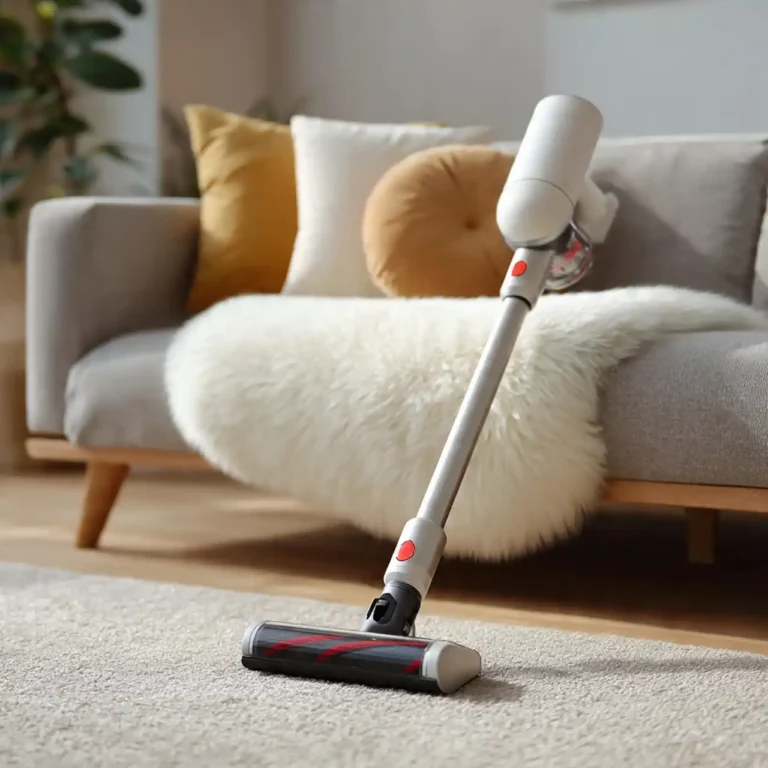
Mix 1 cup of baking soda with 10-15 drops of your favorite essential oil—lavender, eucalyptus, or citrus are great choices! Sprinkle this mixture over your carpets, let it sit for 15-30 minutes, and then vacuum it up. Your home will feel fresh and inviting, plus you’ll save money compared to commercial fresheners.
Ingredients:
– 1 cup baking soda
– 10-15 drops essential oil
Instructions:
1. In a bowl, combine baking soda and essential oil.
2. Sprinkle the mixture on your carpet.
3. Let it sit for 15-30 minutes before vacuuming.
– Store any leftover freshener in an airtight container for future use.
– Mix different essential oils to create unique scents.
FAQs:
– Is it safe for pets? Yes, but ensure they stay away while it sits.
6. Fabric Softener Alternative

Transform your laundry experience with a fabric softener alternative that is both eco-friendly and economical. Traditional fabric softeners can contain harsh chemicals, but using vinegar and essential oil allows you to achieve soft, static-free clothes without compromising your family’s health.
Simply add 1 cup of white vinegar to your rinse cycle. If you prefer a fresh scent, add 5-10 drops of essential oil to your washing machine during the rinse. This method not only softens your clothes but also helps break down detergent residues, leaving your laundry feeling fresh and clean.
Ingredients:
– 1 cup white vinegar
– 5-10 drops essential oil
Instructions:
1. Add white vinegar to the rinse cycle.
2. For added scent, include essential oil during the rinse.
– Avoid combining vinegar with bleach to prevent toxic fumes.
– Use in all laundry loads for consistent results.
FAQs:
– Will it leave a vinegar smell? No, the scent dissipates after drying.
7. Toilet Bowl Cleaner

Elevate your toilet cleaning routine with a natural toilet bowl cleaner that is both effective and environmentally friendly. The combination of baking soda and vinegar creates a fizzing action that helps lift stains and mineral deposits, resulting in a sparkling clean toilet.
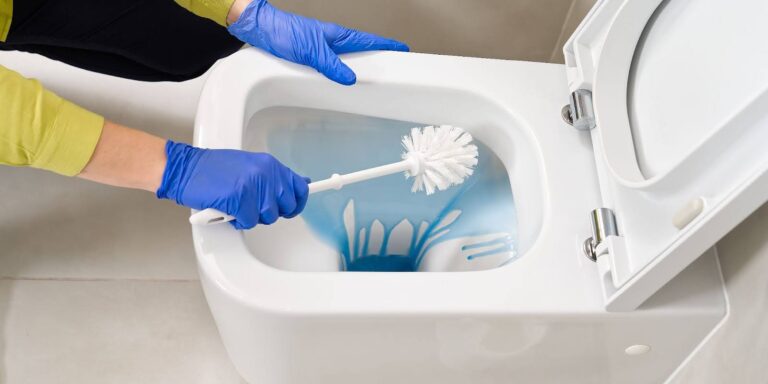
To use this solution, sprinkle 1 cup of baking soda inside the toilet bowl, followed by 1 cup of vinegar. Let it sit for 10-15 minutes before scrubbing with a toilet brush and flushing. This cleaner is not only effective but also safe for your household, making it a great choice for families.
Ingredients:
– 1 cup baking soda
– 1 cup vinegar
Instructions:
1. Sprinkle baking soda into the toilet bowl.
2. Pour vinegar over the baking soda.
3. Let sit for 10-15 minutes, scrub, and flush.
– Use this cleaner weekly for best results.
– For extra freshness, add a few drops of essential oil into the mixture.
FAQs:
– Is it safe for septic systems? Yes, both ingredients are safe for septic.
More Like This
- 🎨 From Oil Stains to Artful Gains: Garage Painting Ideas That Turn a Workshop Into a Showplace

- 👑 The Throne of Dreams: Poshish Bed Design That Commands the Room & Cradles You in Luxury

- 🔧 From Grease to Greatness: Man Cave Garage Ideas That Transform Concrete Into a Personal Sanctuary

- 🌳 Teak Wood Alchemy: Modern Bed Designs That Feel Like a Sunlit Grove at Dusk

- 🔥 Hearth & Horizon: Living Room With Fireplace Designs That Glow Like a Canyon Sunset

- 🌿 Between & Beyond: Room Divider Ideas That Sculpt Space, Soften Light & Keep You Connected

8. Dishwasher Cleaner

Keep your dishwasher running smoothly with a simple homemade cleaner that removes buildup and odors. Over time, grease, soap scum, and food particles can accumulate, hindering the dishwasher’s performance. This effective solution using vinegar and baking soda helps restore cleanliness.
To clean your dishwasher, place a cup of vinegar in a dishwasher-safe container on the top rack and run a hot cycle. Afterward, sprinkle baking soda on the bottom and run a short cycle to freshen the interior and eliminate lingering odors. Your dishwasher will be grateful for this simple routine!
Ingredients:
– 1 cup vinegar
– 1 cup baking soda
Instructions:
1. Place vinegar in a container on the top rack.
2. Run a hot cycle.
3. Sprinkle baking soda on the bottom and run a short cycle.
– Clean your dishwasher monthly for optimal results.
– Wipe down the seals and edges with vinegar for extra hygiene.
FAQs:
– Can I use lemon juice instead of vinegar? Yes, it works well too!
9. Mold and Mildew Cleaner

Say goodbye to mold and mildew with a powerful DIY cleaner that is safe and effective. Combining vinegar, baking soda, and tea tree oil, this solution tackles those stubborn mold spots that thrive in damp environments.
To create this cleaner, mix 1 cup of vinegar with 1 cup of water and add 10 drops of tea tree oil. Spray the mixture onto affected surfaces, let it sit for 10 minutes, and scrub with a sponge. Rinse with water, and you’ll notice a significant difference. The antifungal properties of tea tree oil make it an excellent addition to this mix!
Ingredients:
– 1 cup vinegar
– 1 cup water
– 10 drops tea tree oil
Instructions:
1. Combine vinegar, water, and tea tree oil in a spray bottle.
2. Spray on affected areas and let sit for 10 minutes.
3. Scrub and rinse with water.
– Test on a small area first to ensure surface compatibility.
– Use regularly in bathrooms to prevent growth.
FAQs:
– Is it safe for painted surfaces? Test a small area first.
10. Furniture Polish

Restore the beauty of your wooden furniture with a simple DIY polish that highlights the natural charm of wood. Combining olive oil and vinegar, this polish not only cleans but also conditions your furniture, leaving it looking glossy and protected.
Mix 2 parts olive oil with 1 part vinegar in a spray bottle. Shake well before applying, and wipe down your wooden surfaces with a soft cloth. This natural polish nourishes the wood while ensuring a fresh clean without toxic chemicals, making it an excellent choice for any home.
Ingredients:
– 2 parts olive oil
– 1 part vinegar
Instructions:
1. Combine olive oil and vinegar in a spray bottle.
2. Shake well.
3. Spray on wooden surfaces and wipe with a soft cloth.
– For a scented polish, add a few drops of essential oil.
– Use sparingly to avoid leaving a sticky residue.
FAQs:
– Can I use it on all types of wood? Yes, but test on a small area first.
11. Pet Odor Eliminator

Keep your home fresh with a pet odor eliminator that is easy to make and safe for your furry friends. This simple DIY solution combines baking soda and essential oils to neutralize odors without harsh chemicals.
Mix 1 cup of baking soda with 10 drops of an essential oil like lavender or lemon. Sprinkle this mixture on carpets, rugs, or pet beds, allowing it to sit for 15-30 minutes before vacuuming. This natural freshener eliminates unpleasant smells, creating a more enjoyable environment for both you and your pets.
Ingredients:
– 1 cup baking soda
– 10 drops essential oil
Instructions:
1. Mix baking soda and essential oil in a bowl.
2. Sprinkle over the areas needing freshening.
3. Let sit, then vacuum.
– Use regularly to maintain fresh-smelling spaces.
– Store any leftover mixture in an airtight container.
FAQs:
– Is it safe for pets? Yes, it’s all-natural.
12. Grout Cleaner

Revitalize your tile grout with an effective cleaner that combines baking soda, vinegar, and water. Over time, grout can become stained and discolored, but this simple solution can restore its brightness!
Mix 1 part baking soda with 1 part vinegar and a little water to create a thick paste. Apply the paste to the grout lines, let it sit for 10 minutes, and scrub with a toothbrush or grout brush. Rinse with a damp cloth, and watch as your grout transforms into its former glory!
Ingredients:
– 1 part baking soda
– 1 part vinegar
– Water (to thicken)
Instructions:
1. Combine baking soda and vinegar in a bowl; add water to thicken.
2. Apply the paste to grout lines.
3. Let sit, scrub, and rinse with a damp cloth.
– For best results, use regularly.
– Try this on bathroom tiles for a fresh clean look.
FAQs:
– Is it safe for colored grout? Test on a small area first.
13. Fresh Potpourri Cleaner

Create a fragrant atmosphere in your home with a potpourri cleaner that also acts as an air freshener. This DIY recipe merges spices, essential oils, and water into a natural cleaner that leaves your space smelling delightful.
In a pot, combine 2 cups of water, 1 cup of vinegar, a handful of fresh herbs like rosemary or mint, and a few drops of your favorite essential oil. Simmer on low heat, allowing the lovely fragrance to fill your home while it cleans. It’s a two-in-one solution that makes your environment inviting and refreshed!
Ingredients:
– 2 cups water
– 1 cup vinegar
– Fresh herbs (like rosemary or mint)
– A few drops of essential oil
Instructions:
1. Combine all ingredients in a pot.
2. Simmer on low heat for an hour.
3. Use the mixture to clean surfaces while enjoying the fragrance.
– Experiment with different herbs and oils for unique scents.
– Incorporate it into your cleaning routine for a constant fresh atmosphere.
FAQs:
– Can I use dried herbs? Yes, but fresh provides a stronger scent.
14. Stovetop Cleaner

Effortlessly clean your stovetop with a powerful cleaner that tackles grease and grime. By mixing baking soda with dish soap, you can cut through tough residue without relying on harsh chemicals.
Combine 1 cup of baking soda with a few drops of dish soap and enough water to form a paste. Spread the paste over the stovetop and let it sit for about 10 minutes. Gently scrub with a sponge or cloth and watch the grime disappear. This solution keeps your stovetop looking pristine and safe for your kitchen.
Ingredients:
– 1 cup baking soda
– A few drops of dish soap
– Water (to thicken)
Instructions:
1. Create a paste with baking soda, dish soap, and water.
2. Apply it to the stovetop and let it sit for 10 minutes.
3. Scrub and rinse clean.
– Use this regularly to prevent tough buildup.
– A toothbrush works well for getting into nooks and crannies.
FAQs:
– Is it safe for all stovetops? Yes, but test on a small area first.
15. Wood Floor Cleaner

Preserve the beauty of your wood floors with a simple cleaner that is safe and effective. Traditional cleaners can strip the natural oils from wood, but this natural recipe nourishes while it cleans.
Mix 1 cup of white vinegar with 1 gallon of warm water and a few drops of olive oil in a bucket. Use a mop or soft cloth to apply the solution to your floors. This cleaner will remove dirt while leaving behind a subtle shine, keeping your floors looking their best without harsh chemicals.
Ingredients:
– 1 cup white vinegar
– 1 gallon warm water
– A few drops of olive oil
Instructions:
1. Mix vinegar, warm water, and olive oil in a bucket.
2. Mop the floors with the solution.
3. Allow to air dry for a beautiful finish.
– Avoid soaking the floors; use a damp mop.
– Clean up spills immediately to maintain the finish.
FAQs:
– Is it safe for all wood types? Yes, but test first on an inconspicuous area.
16. Oven Cleaner

Eliminate tough stains in your oven with a simple cleaner that works wonders without harsh chemicals. Made from baking soda and water, this cleaner effectively lifts grime and grease with minimal effort.
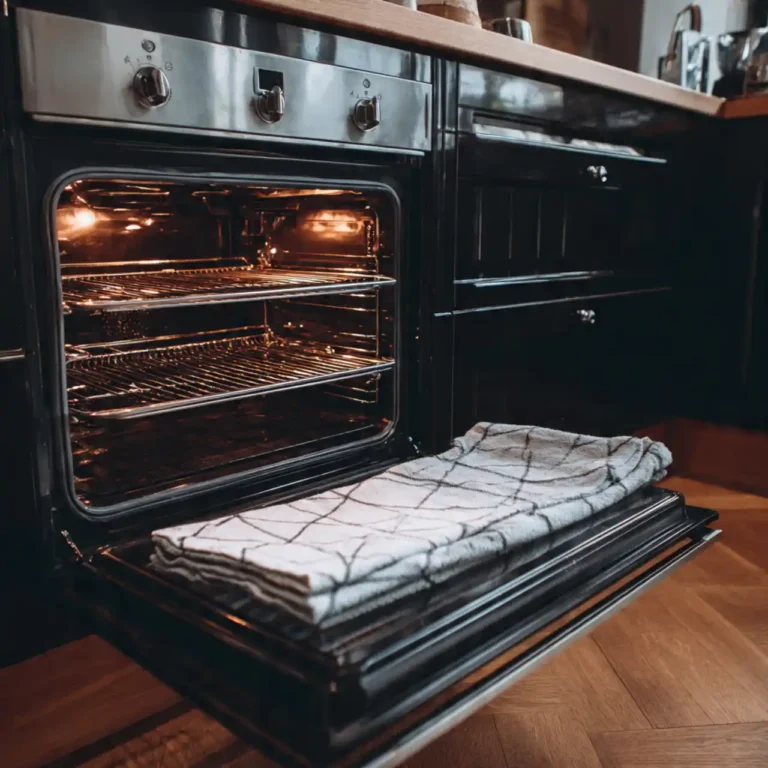
Start by mixing 1 cup of baking soda with just enough water to create a thick paste. Spread the paste over the surfaces of your oven and let it sit for at least 12 hours. Afterward, wipe away the residue with a damp cloth for a fresh, clean oven. This easy method ensures your cooking space remains safe and effective!
Ingredients:
– 1 cup baking soda
– Water (to thicken)
Instructions:
1. Mix baking soda and water to form a paste.
2. Apply to oven surfaces and let sit overnight.
3. Wipe clean with a damp cloth.
– For tough spots, let it sit longer before scrubbing.
– Use a spatula to help scrape off stubborn areas.
FAQs:
– Is it safe for self-cleaning ovens? Yes, but follow manufacturer instructions.
17. Stainless Steel Cleaner

Keep your stainless-steel appliances shining with a simple cleaner made from olive oil and vinegar. This two-ingredient solution not only cleans but also polishes your appliances, enhancing their luster.
Mix 1 part vinegar with 2 parts olive oil in a spray bottle. Spray it on your stainless steel surfaces and wipe with a microfiber cloth to remove fingerprints and smudges without leaving streaks. This natural approach ensures your appliances remain beautiful and free from harmful chemicals.
Ingredients:
– 1 part vinegar
– 2 parts olive oil
Instructions:
1. Mix vinegar and olive oil in a spray bottle.
2. Spray on stainless steel surfaces.
3. Wipe with a microfiber cloth.
– Always follow the grain of the stainless steel while wiping for the best finish.
– Use a separate cloth for drying if needed.
FAQs:
– Can I use it on other surfaces? Stick to stainless steel for best results.
18. Soft Scrub for Sinks and Showers

For effectively cleaning sinks and showers, this soft scrub recipe made with baking soda and dish soap is a perfect solution. It’s gentle yet powerful at removing soap scum, hard water stains, and grime without scratching surfaces.
Combine 1 cup of baking soda with ½ cup of dish soap and a little water to form a paste. Use this scrub to clean sinks, showers, and bathtubs. It rinses away easily, leaving surfaces sparkling clean. Plus, it’s safe and natural, making it an ideal choice for family-friendly homes.
Ingredients:
– 1 cup baking soda
– ½ cup dish soap
– Water (to thicken)
Instructions:
1. Mix baking soda and dish soap together in a bowl.
2. Add water to thicken until it forms a paste.
3. Apply on surfaces, scrub, and rinse clean.
– For stubborn stains, let the scrub sit for a few minutes before rinsing.
– Use regularly to prevent buildup.
FAQs:
– Is it safe for all surfaces? Yes, but avoid harsh scrubbing.
19. Stove and Oven Cleaner

Conquer the mess in your kitchen with an effective stove and oven cleaner. This mixture combines the power of baking soda with hydrogen peroxide for a deep clean that eliminates tough stains.
Mix 1 cup of baking soda with ½ cup of hydrogen peroxide and a few drops of dish soap to create a potent paste. Apply it to the stained areas and let it sit for 15 minutes before scrubbing. This combination lifts grime and grease while ensuring your kitchen remains a safe environment for cooking.
Ingredients:
– 1 cup baking soda
– ½ cup hydrogen peroxide
– A few drops of dish soap
Instructions:
1. Combine ingredients to form a paste.
2. Apply to stained areas of the stove or oven.
3. Let it sit for 15 minutes, scrub, and rinse.
– Use on cold surfaces for best results.
– Always test on a small area first.
20. Citrus Cleaners for All Surfaces

Embrace the invigorating power of citrus with a cleaner that’s perfect for all surfaces. Utilizing the natural oils found in citrus peels, this cleaner not only smells fantastic but also effectively cuts through grease.
To create this cleaner, place citrus peels (like lemon or orange) in a jar and cover them with vinegar. Allow the mixture to steep for about two weeks. Once ready, strain it and dilute with water. Use it on counters, floors, and more to enjoy a delightful clean that invigorates your home!
Ingredients:
– Citrus peels (lemon or orange)
– Vinegar
– Water
Instructions:
1. Place citrus peels in a jar and cover with vinegar.
2. Let sit for two weeks.
3. Strain, dilute with water, and use for cleaning.
– Use the leftover peels to deodorize your garbage disposal.
– Experiment with different citrus fruits for unique scents.
FAQs:
– How long can I store it? Up to six months in a cool place.
💡
Key Takeaways
Essential tips from this article
🍋
ESSENTIAL
Lemon & Vinegar Cleaner
Mix equal parts lemon juice and vinegar for an effective all-purpose cleaner that cuts grease and eliminates odors.
🧂
QUICK WIN
Baking Soda Scrub
Create a paste with baking soda and water for scrubbing tough stains on surfaces like sinks and countertops.
🌿
PRO TIP
Essential Oil Disinfectant
Combine water, vinegar, and a few drops of essential oil to make a natural disinfectant that smells great.
🚽
BEGINNER
Toilet Bowl Cleaner
Pour baking soda and vinegar into the toilet bowl to naturally clean and deodorize without harsh chemicals.
🐾
ADVANCED
Pet Odor Eliminator
Mix water and vinegar in a spray bottle to neutralize pet odors effectively on carpets and fabrics.
🧽
ESSENTIAL
Homemade Glass Cleaner
Use a solution of vinegar and water to achieve streak-free shine on windows and mirrors without commercial products.
Conclusion
Embracing homemade cleaning solutions can significantly transform your cleaning routine and your space. Not only are these recipes budget-friendly, but they also promote a healthier home environment, free from harmful chemicals. With just a few simple ingredients, you can create effective and eco-friendly cleaners that keep every corner of your home fresh and inviting.
Feel inspired to give these solutions a try? Discover the joy of cleaning with natural ingredients, and share your experiences with family and friends—your home (and your wallet) will thank you!
Frequently Asked Questions
Question: What are some beginner-friendly homemade cleaning solutions I can make today?
Getting started with homemade cleaning solutions is easy and budget-friendly. Here are a few beginner-friendly recipes you can make today:
– All-Purpose Cleaner: mix 1 cup distilled water + 1 cup white vinegar + 10–15 drops of your favorite essential oil (lemon or lavender). Put in a spray bottle. Use on countertops, glass, stainless steel. Note: avoid using on natural stone surfaces like marble.
– Glass and Mirror Cleaner: combine 1 cup water + 1/4 cup white vinegar. Spray and wipe with a microfiber cloth for streak-free shine. For extra scent, add a drop of essential oil.
– Wood Furniture Polish: mix 1/4 cup olive oil with 2–3 drops of lemon juice. Apply sparingly with a soft cloth, buff to a shine. Test on a hidden area first to ensure no staining.
As you grow more confident, you can expand to other DIY cleaners while keeping things eco-friendly and safe around family.
Question: How can I ensure my DIY cleaners are eco-friendly and safe for kids and pets?
Make safety and sustainability a priority with these tips:
• Stick to non-toxic, widely available ingredients like baking soda, white vinegar, and Castile soap for most tasks.
• Avoid mixing bleach with ammonia or other cleaners to keep the air safe and your surfaces intact.
• Patch-test cleaners on an inconspicuous area first, label bottles clearly, and store out of reach of children and pets.
• Choose eco-friendly options when selecting essential oils or concentrates, and recycle or reuse containers to cut waste.
Question: Which surfaces and spots are best for DIY cleaners and what recipes should I use for each?
Different surfaces need different approaches. Start with these basics:
– Glass and mirrors: Glass Cleaner (1 cup water + 1/4 cup white vinegar).
– Stainless steel and chrome: same Glass Cleaner mix or All-Purpose Cleaner, then wipe with a microfiber cloth to avoid streaks.
– Countertops (not stone): All-Purpose Cleaner above; for granite/stone, use water and a tiny amount of mild soap to avoid etching.
– Wood furniture: Wood Polish (1/4 cup olive oil + 2–3 drops lemon juice).
– Tile and grout: baking soda paste for grout and a little vinegar rinse; test on hidden areas first.
– Fabrics and upholstery: light deodorizing with baking soda; for stains, use a gentle DIY spot cleaner recipe and air dry.
Question: How can I save money with these DIY cleaners while keeping cleaning power strong?
You can stretch your dollars and still get great results:
– Use pantry staples like baking soda, white vinegar, and Castile soap as your core cleaners.
– Create concentrated formulas and dilute as needed to extend each batch and cut waste.
– Reuse spray bottles and label them clearly to prevent wasted product.
– Bundle tasks: one all-purpose cleaner can handle multiple surfaces, reducing the number of products you buy.
– Shop in bulk for staples and switch to refillable options where available to maximize savings.
Question: Do homemade cleaning solutions work for mold, odors, and everyday messes, or should I chase stronger options?
For everyday cleaning and deodorizing, homemade cleaning solutions are surprisingly effective when used consistently. A vinegar or baking-soda approach tackles odors and light mildew on non-porous surfaces, and a baking soda paste can handle stubborn grime. For active mold growth, porous materials, or large infestations, it’s wise to consult a professional and consider safer, stronger options as needed. Always patch-test first and ventilate well during cleaning.