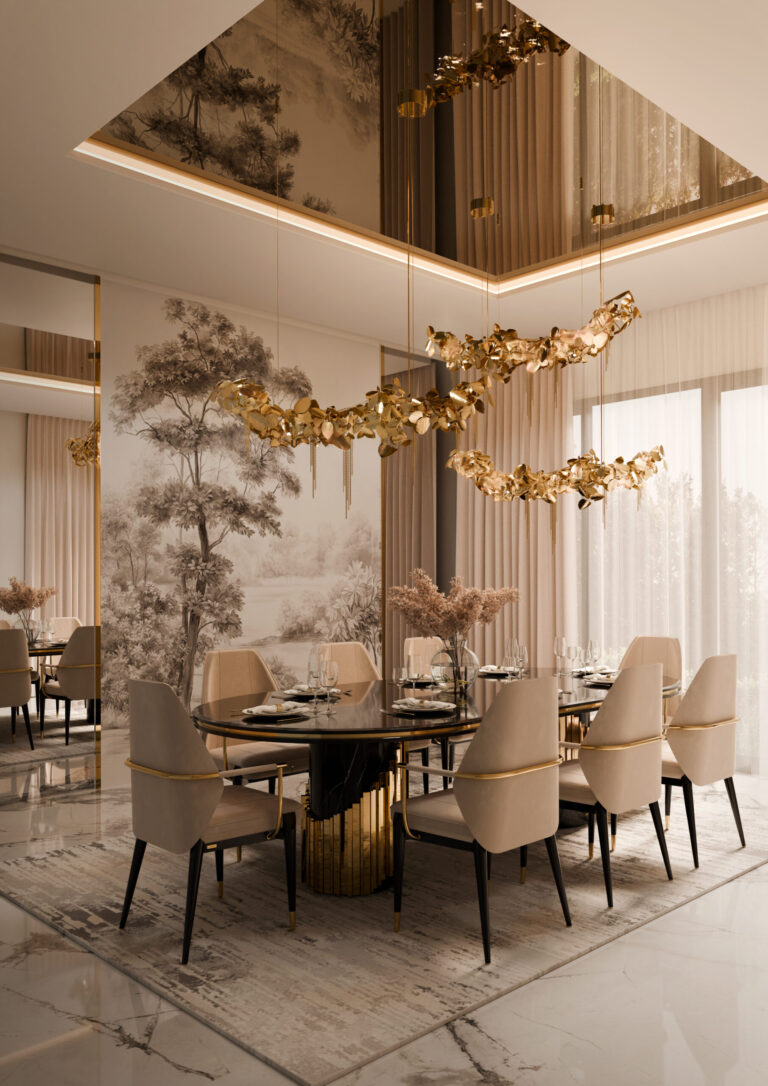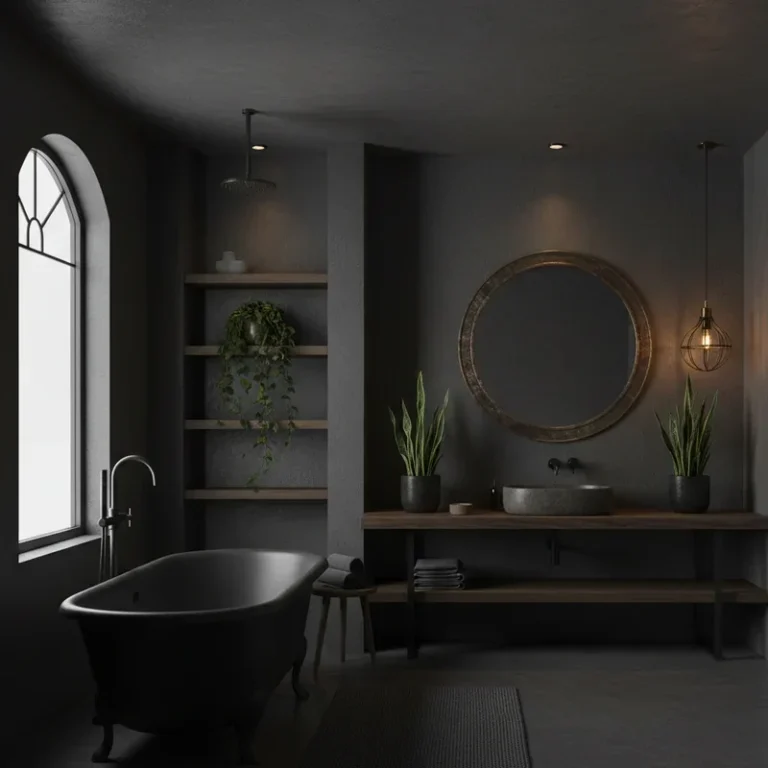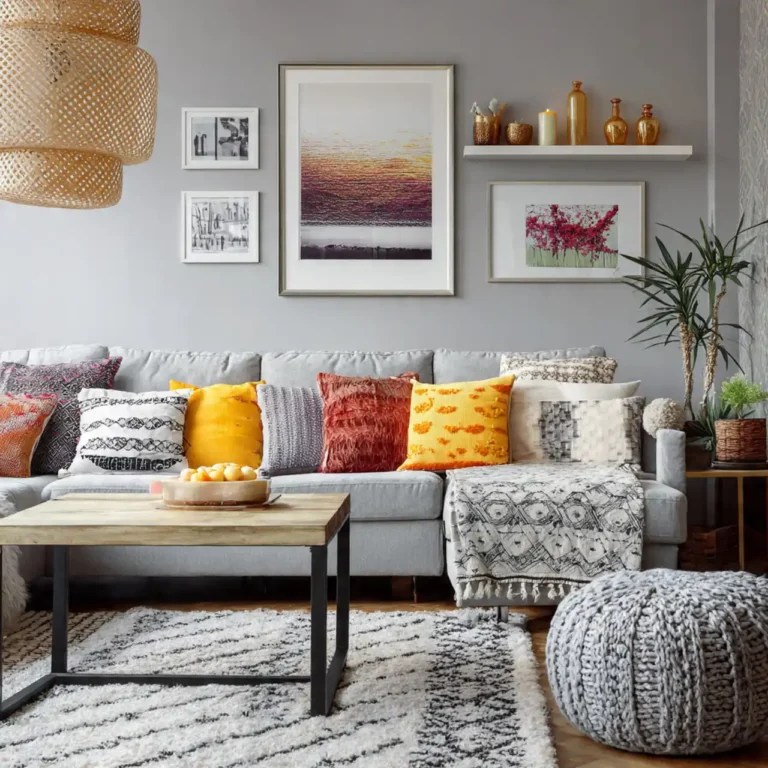
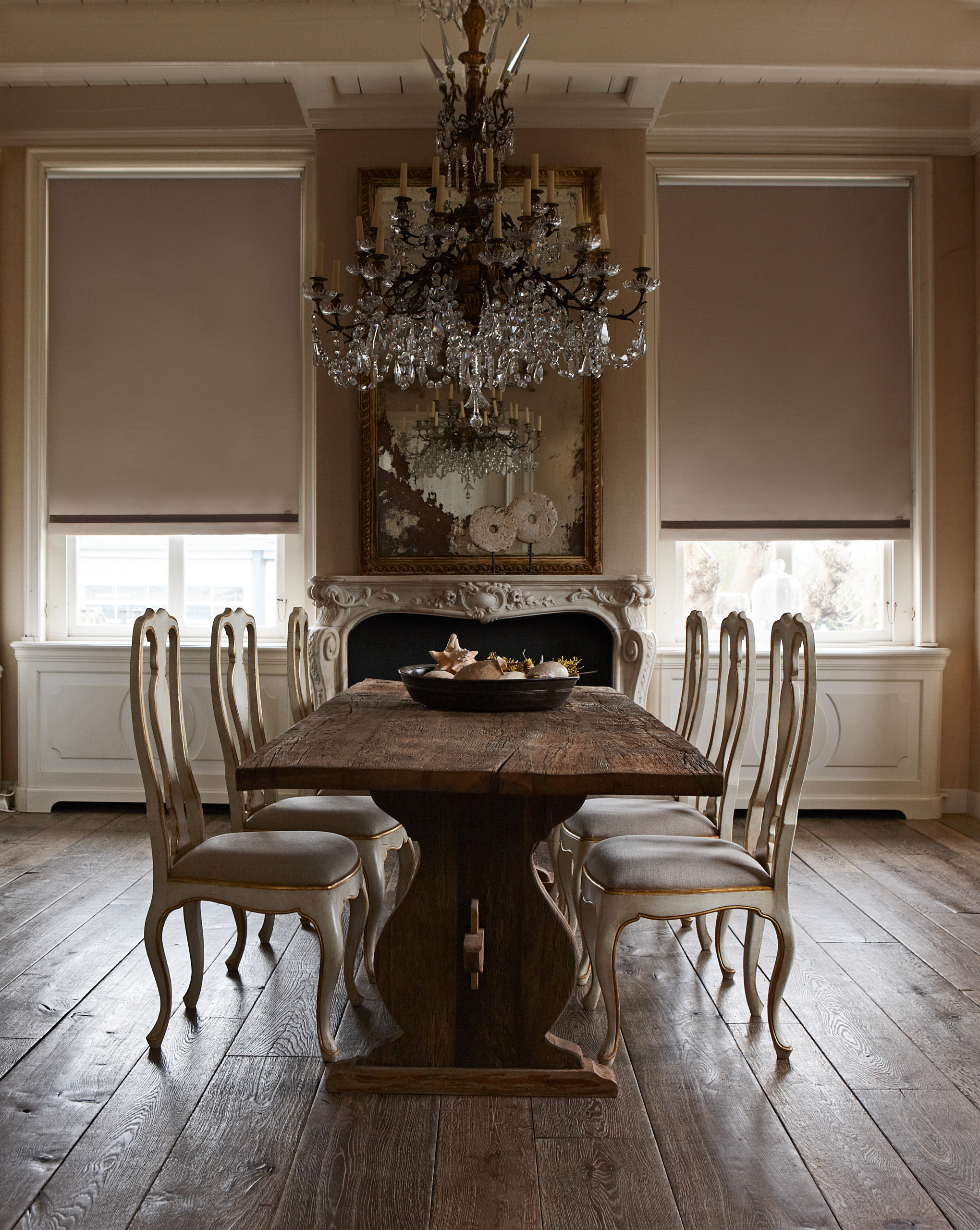
The Victorian dining room is a celebration of elegance, ornament, and the ritual of shared meals. In a victorian dining room, every element is intentional — from the heavy wooden table and intricately carved chairs to the crystal chandelier casting a warm glow over fine china. Rich colors like burgundy, forest green, and navy blue often adorn the walls, while lace curtains frame tall windows. Like a formal garden in full bloom, a Victorian dining room is dramatic, romantic, and deeply memorable.
These victorian dining room ideas will inspire you to create a space that honors the past while working for modern life. From chandeliers hanging above long wooden tables to upholstered chairs in rich velvet, from blue walls with wainscoting to elaborate centerpieces with fresh flowers, you’ll discover how to bring Victorian elegance into your home. Like a meadow designed by a master gardener, your Victorian dining room will be a place for lingering conversations, holiday feasts, and timeless memories.
1. Crystal Chandelier & Dark Wood Table: The Victorian Heart
Suspend a crystal chandelier above a long, dark wooden dining table, surrounded by high-backed upholstered chairs. This classic victorian dining room centerpiece is both dramatic and inviting. You’ll love how the chandelier’s crystals catch the candlelight, and how the dark wood anchors the room, like a grand oak in a formal meadow.
A crystal chandelier is non-negotiable in a victorian dining room. Choose one with multiple tiers and dangling crystals for maximum sparkle. The table should be substantial — mahogany, walnut, or dark oak — with turned legs or a pedestal base. The chairs should have high backs and upholstered seats in velvet or damask.
2. Ornate Sideboard: Storage & Display
Place an ornate wooden sideboard against one wall, topped with a large mirror, candlesticks, and a vase of fresh flowers. This essential victorian dining room piece provides storage for china and linens. You’ll appreciate how the sideboard anchors the room, and how the mirror reflects the chandelier’s light, like a still pond reflecting a formal garden.
A sideboard is a key element in a victorian dining room. Look for one with carved details, turned legs, and a dark wood finish. Use it to display silver serving pieces, fine china, or family photos. The mirror above should be large and ornate, with a gilded or dark wood frame.
3. Four Chairs & a Chandelier: Intimate Victorian Dining
Set a smaller Victorian dining table with four chairs and a crystal chandelier, perfect for intimate family dinners. This scaled-down victorian dining room retains all the elegance but fits smaller spaces. You’ll love how the chandelier still provides drama, and how the smaller scale feels cozy, like a private dining room in a Victorian manor.
Not all Victorian dining rooms need to be massive. A table that seats four, surrounded by upholstered chairs and topped with a scaled-down chandelier, works beautifully in a smaller home. The key elements — dark wood, crystal, rich textiles — remain, but the footprint is manageable.
4. White Upholstered Chairs & Crystal Chandelier: Light Victorian
Combine a crystal chandelier with white upholstered dining chairs and a dark wood table for a lighter, more romantic Victorian look. This elegant victorian dining room feels fresh but still traditional. You’ll love how the white chairs brighten the room, and how the dark wood anchors them, like white flowers in a dark garden.
White upholstery is a beautiful choice for a victorian dining room. It lightens the typically dark palette. Choose chairs with high backs and tufted seats. Keep a stain remover handy — white fabric requires care. The contrast between the white chairs, dark wood table, and crystal chandelier is stunning.
5. Blue Chairs & Crystal Chandelier: Jewel-Toned Victorian
Choose dining chairs upholstered in rich blue velvet, paired with a dark wood table and a crystal chandelier. This jewel-toned victorian dining room is dramatic and luxurious. You’ll love how the blue adds depth, and how the velvet catches the light, like a sapphire in a velvet box.
Blue is a wonderful victorian dining room color. Use it on chairs, curtains, or wallpaper. Pair with dark wood and gold accents. The blue will feel regal and calming. Velvet upholstery adds to the luxury. The crystal chandelier will sparkle against the deep blue.
6. Formal Table Setting: China, Crystal & Flowers
Set a formal Victorian table with fine china, crystal glassware, silver flatware, and a centerpiece of fresh flowers. This elaborate victorian dining room detail is the essence of the style. You’ll adore how the table sparkles, and how the flowers add a touch of nature, like a garden brought indoors.
A formal table setting is a hallmark of a victorian dining room. Use white or patterned china, crystal glasses, and silver or silver-plated flatware. A centerpiece of fresh flowers (roses, hydrangeas, or lilies) in a crystal vase is traditional. The table should feel abundant and gracious.
7. Low Centerpiece: Flowers & Candles
Arrange a low bowl of fresh flowers with taper candles on the dining table, allowing guests to see each other across the table. This thoughtful victorian dining room detail encourages conversation. You’ll love how the flowers and candles create a warm, intimate glow, like a meadow at dusk.
A low centerpiece is essential for a victorian dining room. A tall centerpiece blocks sightlines. Use a shallow bowl or a low vase. Fill with fresh flowers (roses, peonies, or hydrangeas). Add taper candles in silver or brass holders. The flowers and candles will make every meal feel special.
8. Chandelier Centered Over the Table: The Golden Rule
Center your chandelier directly over the dining table, not the room. This classic victorian dining room placement ensures the light falls where it’s needed. You’ll appreciate how the chandelier frames the table, and how the light makes the china and crystal sparkle, like a spotlight on a stage.
The chandelier should be centered over the table, not the room. The bottom of the chandelier should hang 30-36 inches above the table. This height provides intimacy without blocking views. The chandelier should be the star of the room, and the table is its stage.
9. Victorian China Cabinet: Displaying Treasures
Install a tall, glass-front china cabinet to display your fine china, crystal, and silver. This essential victorian dining room piece is both storage and decoration. You’ll love how the glass doors protect your treasures from dust, and how the wood frame warms the room, like a museum in your home.
A china cabinet is a traditional victorian dining room element. Look for one with glass doors, ornate wood carvings, and a dark finish. Use it to display your best china, crystal stemware, and silver serving pieces. The cabinet adds height and grandeur to the room.
10. Place Settings: Layered Elegance
Layer each place setting with a charger, dinner plate, salad plate, bread plate, and soup bowl — plus multiple forks, knives, and spoons. This formal victorian dining room table setting is an art form. You’ll appreciate how the layers build anticipation for the meal, like the beginning of a symphony.
Formal place settings are a hallmark of victorian dining room entertaining. Start with a charger (large decorative plate). Add a dinner plate, then a salad plate, then a bread plate to the upper left. Place silverware in the order of use (outside to in). The setting is a work of art before the food arrives.
11. Blue Walls & Wood Wainscoting: Classic Victorian
Paint your dining room walls a deep navy or royal blue, and add white or cream wainscoting below a chair rail. This traditional victorian dining room color combination is dramatic and elegant. You’ll love how the blue adds depth, and how the wainscoting adds architectural interest, like a formal garden wall.
Dark blue walls with white wainscoting is a classic victorian dining room look. The wainscoting protects the walls from chair backs and adds texture. The blue above the chair rail feels rich and cozy. Add a crystal chandelier and dark wood furniture to complete the look.
12. Two Chandeliers: A Grand Victorian Statement
Hang two matching chandeliers over a long dining table, creating a sense of grandeur. This luxurious victorian dining room choice is perfect for large rooms. You’ll love how the paired chandeliers create a rhythm, and how they double the sparkle, like two stars in a formal sky.
For a very long dining table (over 12 feet), two chandeliers are appropriate. Space them evenly over the table. They should be identical and hung at the same height. The effect is formal, grand, and undeniably Victorian. It’s a look for those who love drama.
13. Tufted Chairs: Victorian Comfort
Choose dining chairs with tufted backs and padded seats, upholstered in velvet or damask. This comfortable victorian dining room furniture invites guests to linger. You’ll appreciate how the tufting adds texture, and how the padding makes long dinners a pleasure, like sitting in a parlor.
Tufted chairs are a beautiful victorian dining room choice. The tufting (button-tufted or diamond-tufted) adds a formal, old-world feel. Velvet or damask upholstery is traditional. Chairs with arms are for the heads of the table; armless chairs are for the sides.
14. Lace Curtains: Softening the Light
Hang floor-length lace or sheer curtains on the dining room windows, softening the natural light and adding Victorian romance. This delicate victorian dining room detail filters harsh sunlight. You’ll love how the lace casts soft shadows, and how the fabric adds texture, like a gossamer veil over a meadow.
Lace curtains are a traditional victorian dining room element. They provide privacy while still letting in light. Choose a simple floral or geometric pattern. Hang them from a decorative rod with finials. The lace will soften the room and add a layer of romance.
15. Oriental Rug: A Colorful Foundation
Place a large Oriental or Persian rug under the dining table, anchoring the room with color and pattern. This classic victorian dining room element adds warmth and defines the space. You’ll love how the rug’s rich colors tie the room together, and how the wool feels soft underfoot, like a meadow of woven flowers.
An Oriental rug is a staple of a victorian dining room. Choose one with rich, jewel-toned colors — red, navy, gold, or green. The rug should be large enough that all chair legs remain on it even when pulled out. The rug adds warmth, color, and a sense of history.
16. Fireplace in the Dining Room: Cozy Victorian Evenings
Include a fireplace in your Victorian dining room, with a carved wood mantel and a mirror above it. This cozy victorian dining room feature makes winter dinners magical. You’ll love the crackle of the fire, and how the mantel provides a place for candles and garlands, like a hearth in a country manor.
A fireplace is a wonderful victorian dining room addition. The mantel should be ornate, carved wood. Above it, hang a large mirror to reflect the chandelier and the fire. In warmer months, place candles and flowers on the mantel. The fireplace adds warmth, both literal and figurative.
17. Dark Green Walls: A Victorian Favorite
Paint your dining room walls a deep forest green, a classic Victorian color that feels cozy and dramatic. This moody victorian dining room palette makes the woodwork and gold accents pop. You’ll love how the green feels like a forest at twilight, and how it makes the dining table feel like a clearing.
Dark green is a wonderful victorian dining room color. Use it on walls or as an accent color. Pair with dark wood furniture, gold frames, and a crystal chandelier. The green will feel rich and enveloping, perfect for intimate dinner parties. Add white wainscoting for contrast.
18. Clawfoot Table Base: Victorian Detail
Choose a dining table with clawfoot legs — a quintessential Victorian detail. This ornate victorian dining room element adds a touch of whimsy. You’ll love how the carved feet look like animal paws, and how they lift the table off the floor, like a piece of sculpture.
Clawfoot legs are a classic victorian dining room feature. Look for a table with brass or bronze casters on the feet. The table should be substantial and dark. The clawfoot detail adds a touch of Victorian whimsy and elegance.
19. Gold Accents: Frames, Mirrors & Hardware
Incorporate gold accents throughout your Victorian dining room — in picture frames, mirror frames, curtain rods, and cabinet hardware. This gilded victorian dining room detail adds warmth and luxury. You’ll love how the gold catches the chandelier’s light, and how it elevates the room, like a touch of gilt on a meadow flower.
Gold is the accent metal of choice in a victorian dining room. Use it sparingly but consistently — gold frames, gold mirror, gold curtain rods, gold light fixtures. The gold will reflect the warm light of the chandelier, adding a layer of elegance. Avoid silver or chrome.
20. Candelabras: Candlelit Victorian Evenings
Place silver or brass candelabras on the dining table, filling them with tall taper candles. This romantic victorian dining room detail makes every dinner feel special. You’ll love how the candlelight flickers against the crystal chandelier, and how the candelabras add height, like a forest of flame.
Candelabras are a beautiful victorian dining room addition. Use silver or brass. Place them at the center of the table, or one at each end. Use drip-less taper candles to avoid wax mess. Light them for dinner parties; the candlelight will soften faces and set a romantic mood.
21. Wallpaper: Patterned Victorian Walls
Paper your dining room walls with a traditional Victorian pattern — damask, floral, or stripe — in rich colors. This authentic victorian dining room choice adds texture and history. You’ll love how the pattern adds depth, and how the wallpaper makes the room feel like a period painting, like a garden frozen on the walls.
Wallpaper is a classic victorian dining room element. Choose a pattern in deep red, green, blue, or gold. Damask (a woven pattern) is very Victorian. Floral patterns are also appropriate. Use wallpaper on all walls or on a single accent wall. The pattern will add warmth and visual interest.
🕰️ Velvet & Vermeil Guide: 5 Essential Principles for a Victorian Dining Room
- 🪑 Dark Wood Is Non-Negotiable: The foundation of a victorian dining room is dark, substantial wood — mahogany, walnut, or dark oak. The table should be heavy, the chairs have turned legs, and the sideboard ornate. Avoid light woods (pine, maple) or painted furniture. The dark wood provides the Victorian richness and formality. It anchors the room and contrasts with lighter walls.
- 💡 The Chandelier Is the Star: A victorian dining room without a crystal chandelier is incomplete. Choose one with multiple tiers, dangling crystals, and warm light. The chandelier should be hung 30-36 inches above the table. Use a dimmer to adjust the light. The chandelier provides sparkle, drama, and the feeling of old-world elegance. It’s the room’s jewelry.
- 🎨 Embrace Rich, Deep Colors: Victorian color palettes are not shy. Use deep reds (burgundy, crimson), forest greens, navy blues, and golds. Paint walls in these colors, or use wallpaper. The deep colors make the room feel cozy and intimate, perfect for long dinners. Pair with white trim or wainscoting for contrast. Avoid pale, washed-out colors.
- 🕯️ Layer Your Lighting: A single chandelier is not enough. In a victorian dining room, add wall sconces, candles on the table (candelabras), and a fireplace if possible. The layers of light create depth and warmth. Use warm bulbs (2700-3000K) and dimmers. The multiple light sources make the room feel rich and inviting.
- 🌿 Fresh Flowers Are Essential: A victorian dining room needs living elements. Place fresh flowers in a crystal vase as a centerpiece. Use roses, hydrangeas, peonies, or lilies. The flowers add color, fragrance, and a connection to nature. They soften the dark wood and deep colors. A Victorian table without flowers feels incomplete.
Frequently Asked Questions
Q: What are the key elements of a Victorian dining room?
Ans: The key elements of a victorian dining room are: a dark wood dining table (mahogany, walnut, or oak), upholstered chairs (velvet or damask, with high backs), a crystal chandelier centered over the table, an ornate sideboard, rich wall colors (burgundy, forest green, navy) or patterned wallpaper, a large rug (Oriental or Persian), and layered lighting (chandelier, sconces, candles). The overall feeling is formal, cozy, and elegant.
Q: Can I do a Victorian dining room on a budget?
Ans: Yes — a victorian dining room can be done affordably. Look for dark wood furniture at thrift stores, estate sales, or on Facebook Marketplace. Paint old furniture dark (mahogany or walnut color). Buy a crystal chandelier second-hand. Use a large area rug from a discount store. Paint walls a deep color yourself. Use inexpensive frames for art. The key is the look, not the price tag. With patience, you can create a Victorian look for less.
Q: What’s the best lighting for a Victorian dining room?
Ans: The best victorian dining room lighting is layered. A crystal chandelier centered over the table is essential. Add wall sconces on either side of a mirror or artwork. Place candelabras with taper candles on the sideboard or table. Use a fireplace for additional warm light. All bulbs should be warm (2700-3000K). Use dimmers to adjust the mood. The layers of light create the warm, intimate glow that defines Victorian style.
Q: How do I choose a chandelier for a Victorian dining room?
Ans: For a victorian dining room, choose a chandelier with multiple tiers, dangling crystals, and a warm finish (brass, gold, or bronze). The chandelier should be 12-24 inches wide for a standard table. It should hang 30-36 inches above the table. Use a dimmer. Avoid modern, minimalist chandeliers or those with exposed bulbs. The chandelier should sparkle and feel substantial.
Q: What colors are authentic for a Victorian dining room?
Ans: Authentic victorian dining room colors are rich and deep: burgundy (crimson), forest green, navy blue, gold, and dark brown. Walls can also be papered in damask or floral patterns. Trim and wainscoting are often white or cream. The deep colors make the room feel cozy and intimate. Avoid pale, pastel colors (they are not Victorian). The room should feel like a jewel box, not a sunny conservatory.
Conclusion
You have stepped into the elegant, candlelit world of the victorian dining room — from crystal chandeliers and dark wood tables to tufted chairs and Oriental rugs. Each image whispered the same truth: a Victorian dining room is not just a place to eat; it is a stage for ceremony, a theater of hospitality, a room where every meal feels like a special occasion. Like a formal garden in full bloom, it is dramatic, romantic, and deeply memorable. The heavy drapes, the sparkling chandelier, the polished silver — they all say “welcome” and “this matters.”
Now it is your turn to set a formal table, light the candles, and gather the people you love. Your victorian dining room journey begins with one dark wood piece, one crystal chandelier, one set of velvet chairs. The room is waiting to become a place of lingering conversations, holiday feasts, and timeless memories. 🕯️🍷🌹